Time as Myth
EzraThe depiction of time across cultures and global history shows that humans view time as a divine force of creation.
++++
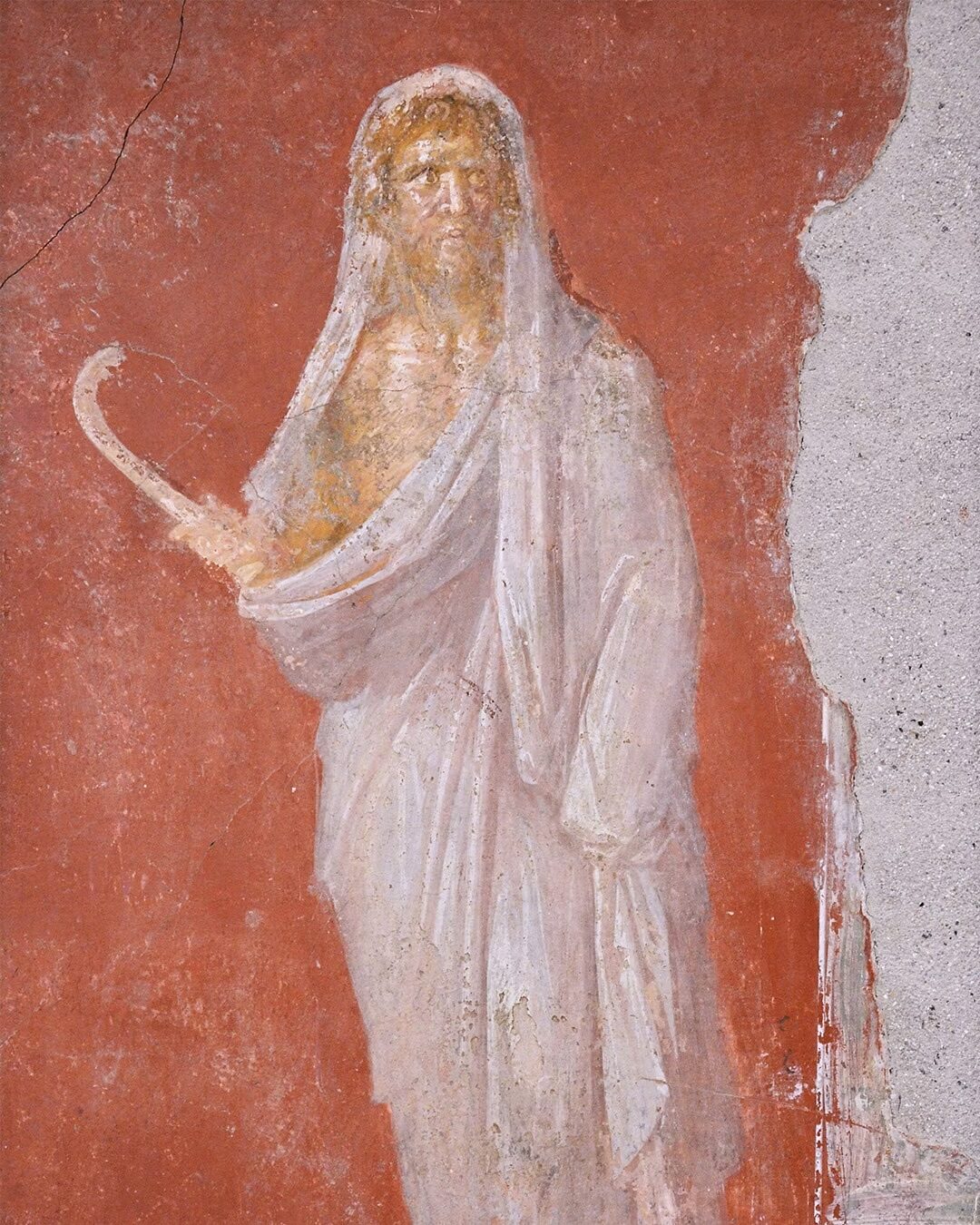
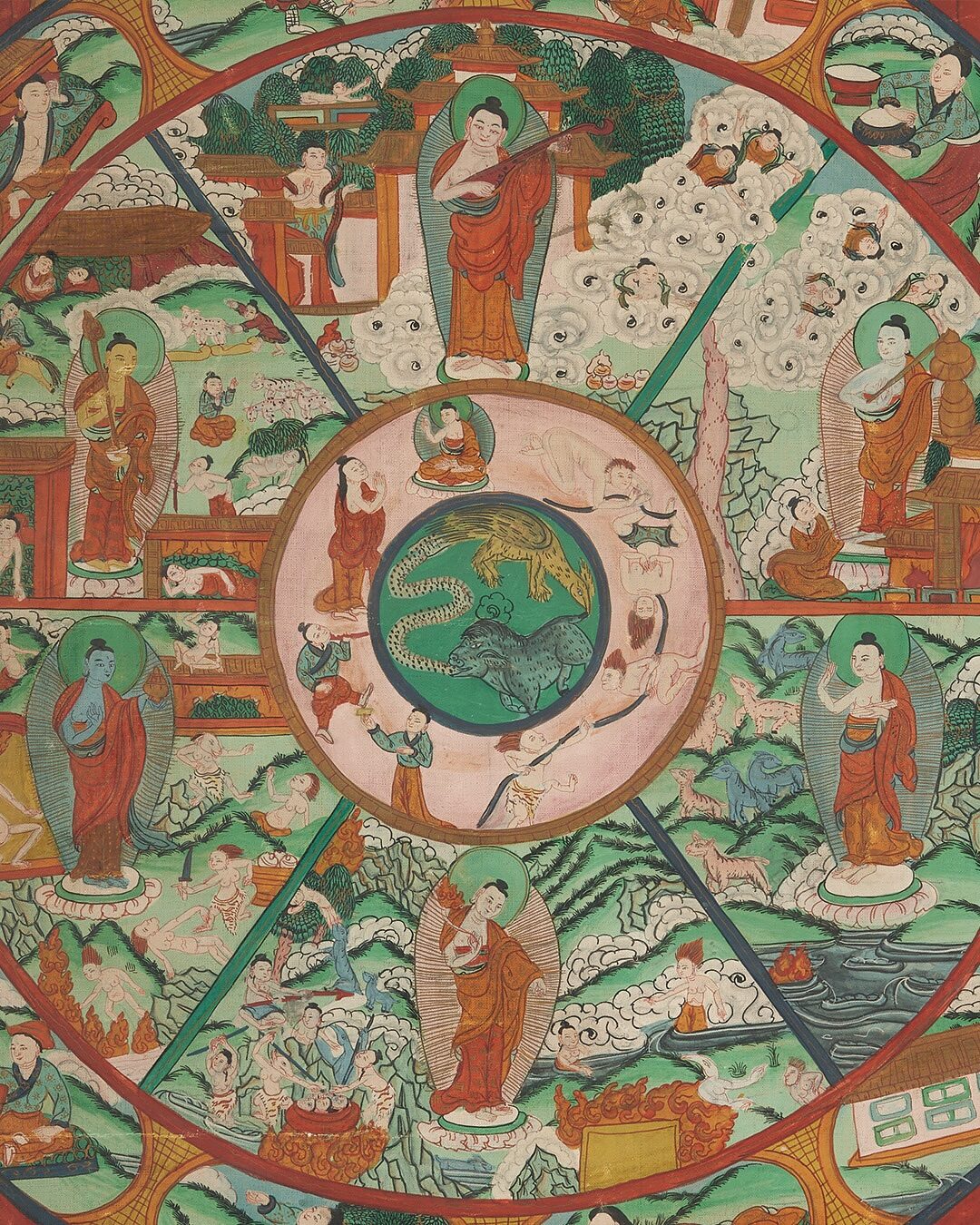
Time is often portrayed as both a force of creation and destruction. In Buddhism, meditation and reincarnation place time at the centre of its metaphysical teachings, emphasising the cyclical nature of existence. Hinduism intertwines time with death, illustrating the inseparability of growth and decay. In Ancient Egypt, Thoth, the god of wisdom and writing, was credited with creating the first calendar, reinforcing the sacredness of time. Early Western civilisations revered time as an unpredictable and powerful deity, as seen in gods like Chronos and Saturn.
Even today, the mythological nature of time remains deeply ingrained in our cultures. From myths to modern art, time manifests itself as elusive, powerful, and almost sacred.
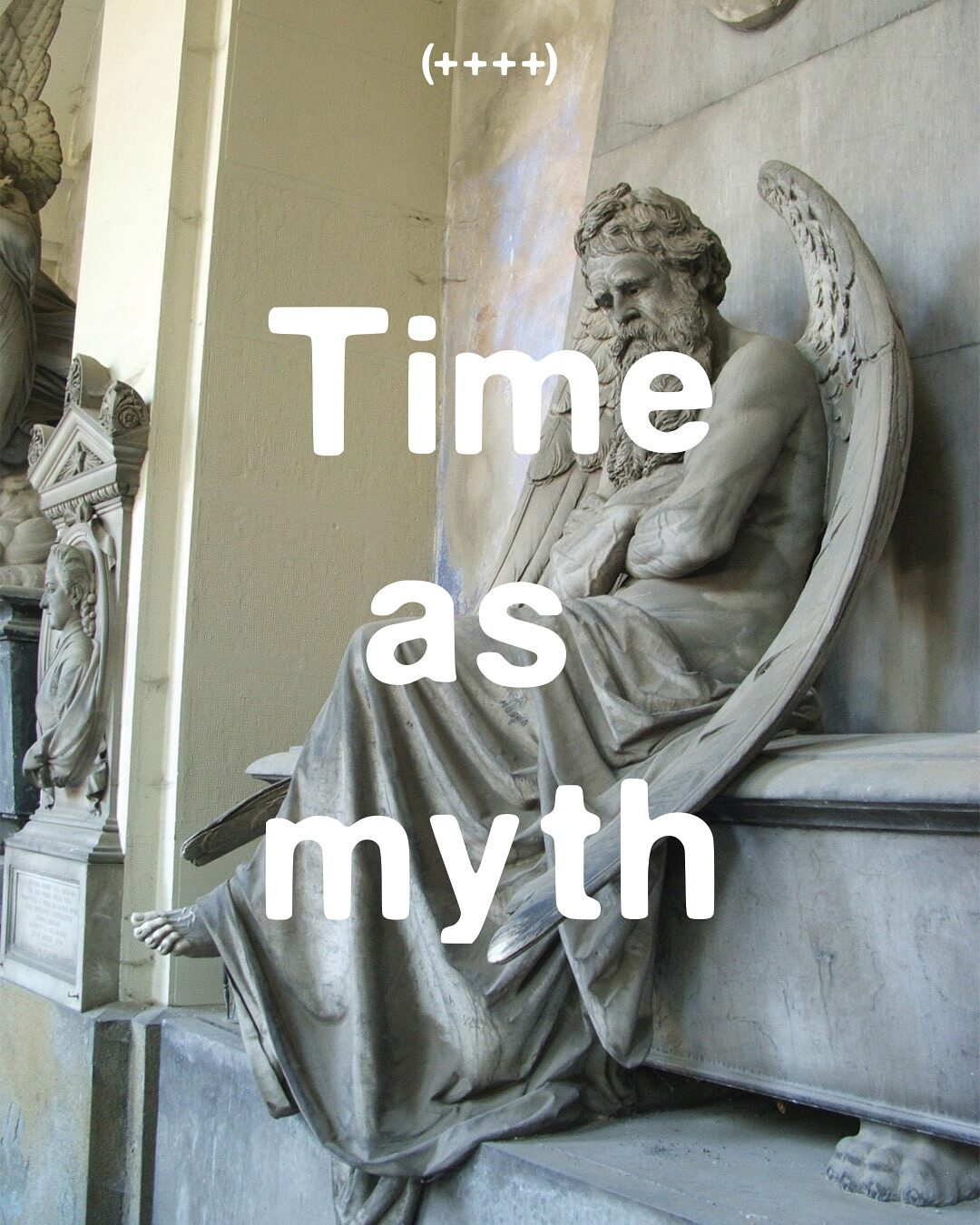
1 - Chronos (Greek god): Embodies the cyclical and inevitable nature of time, influencing the unfolding of creation and human fate, which is often depicted in art as a relentless, eternal force.
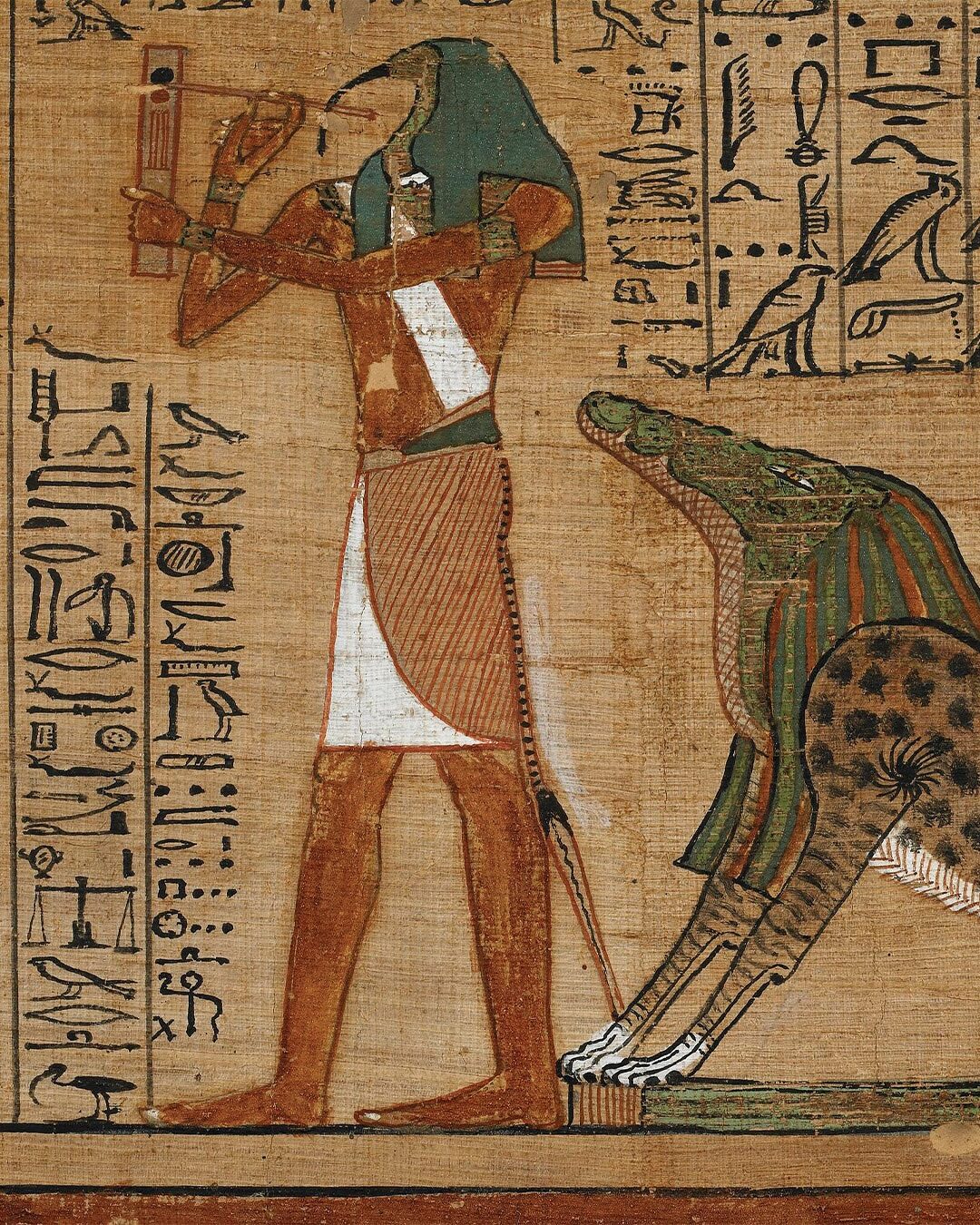
2 - Thoth (Egyptian deity): Known as the scribe of the Gods, Thoth is said to have invented the calendar, illustrating the direct link between time and divinity.
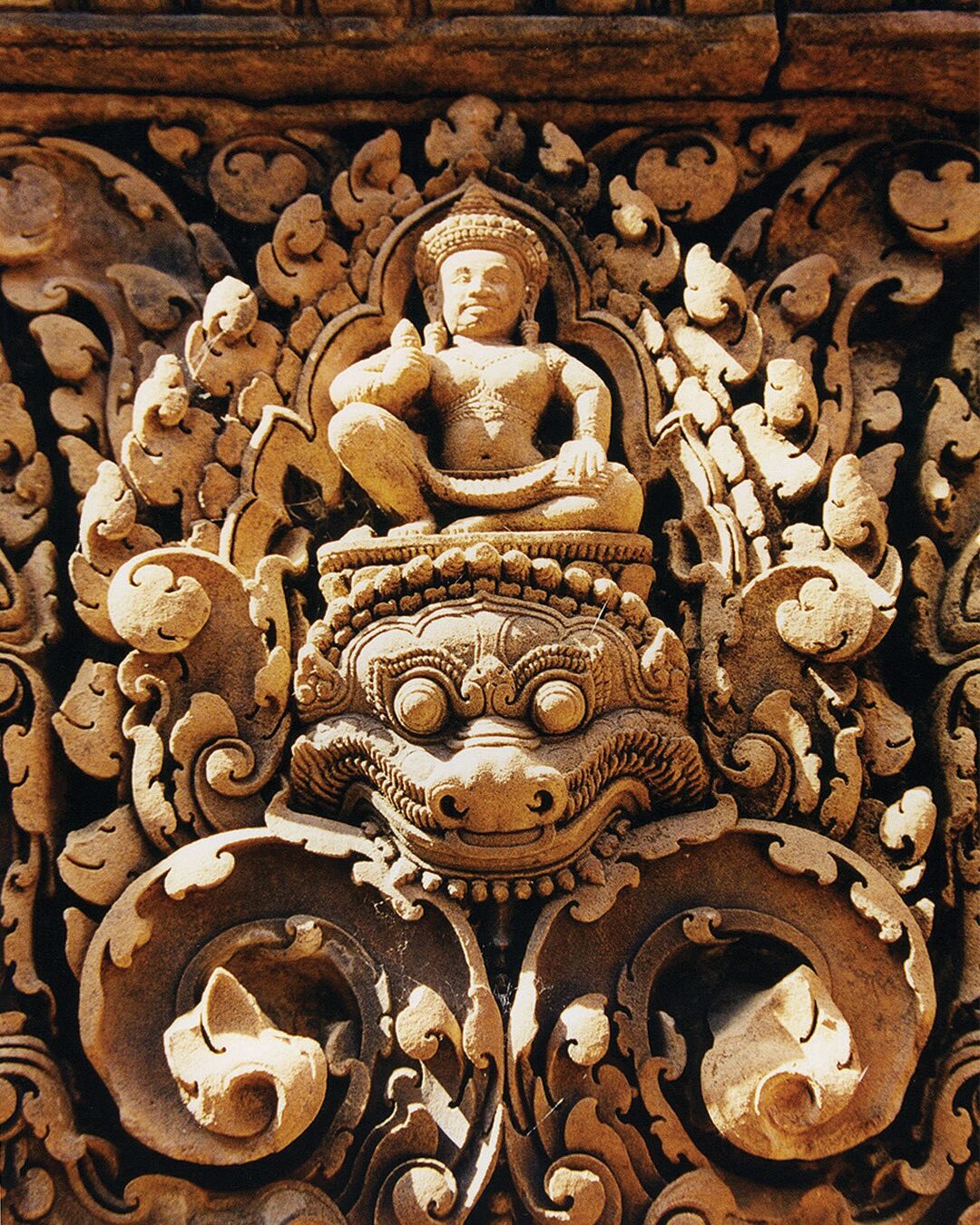
3 - Kaal (Hinduism): In Hinduism, time (Kaal) is cyclical, representing the endless cycle of creation, preservation, and destruction.
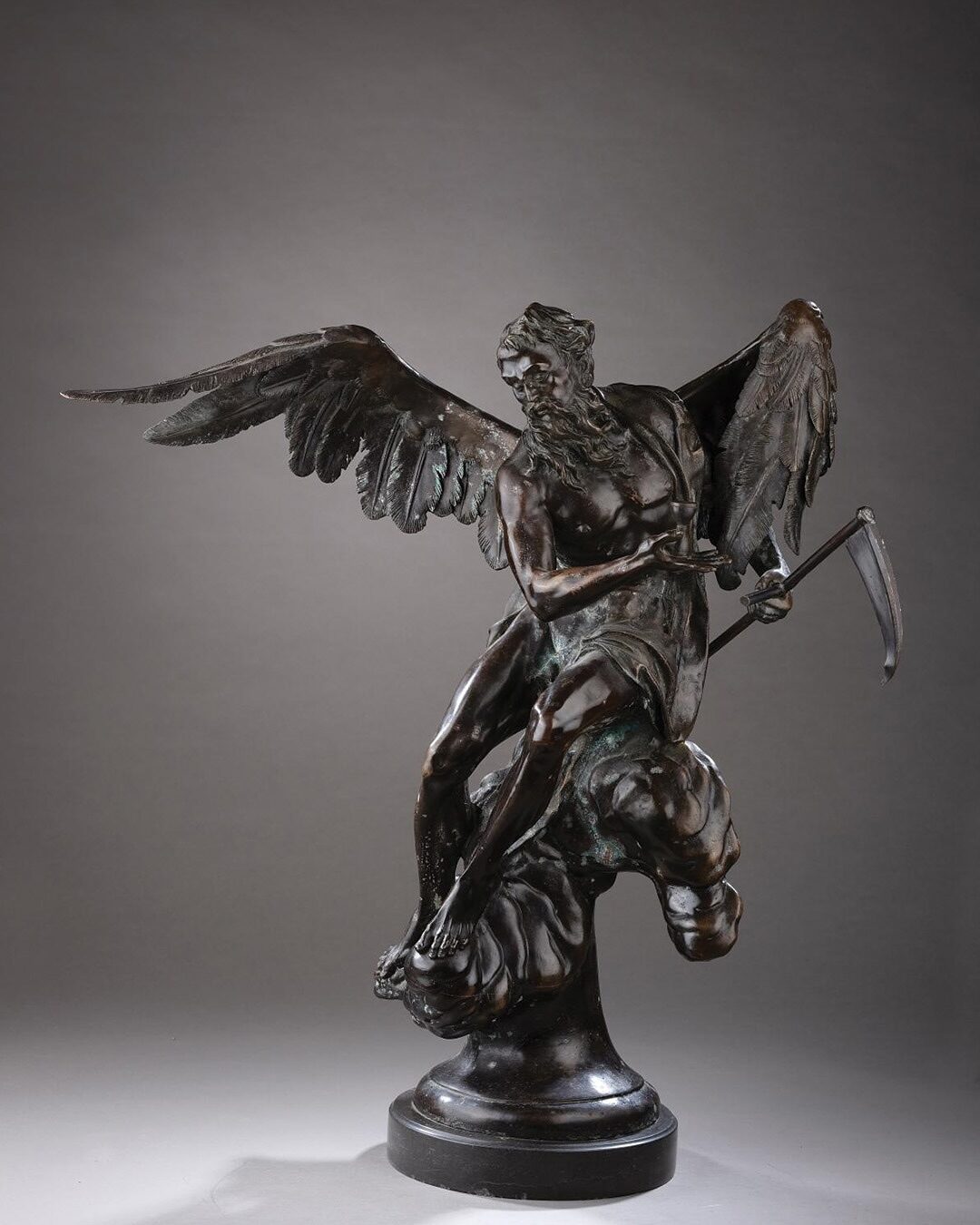
4 - Saturn (Roman god of time): Often depicted with a scythe, pointing to the concept of memento mori.
5 - Wheel of Life (Buddhism): Depicts the cyclical nature of existence that transcends any mythological notion, a subject that is constantly referenced in art, film, music, and literature.
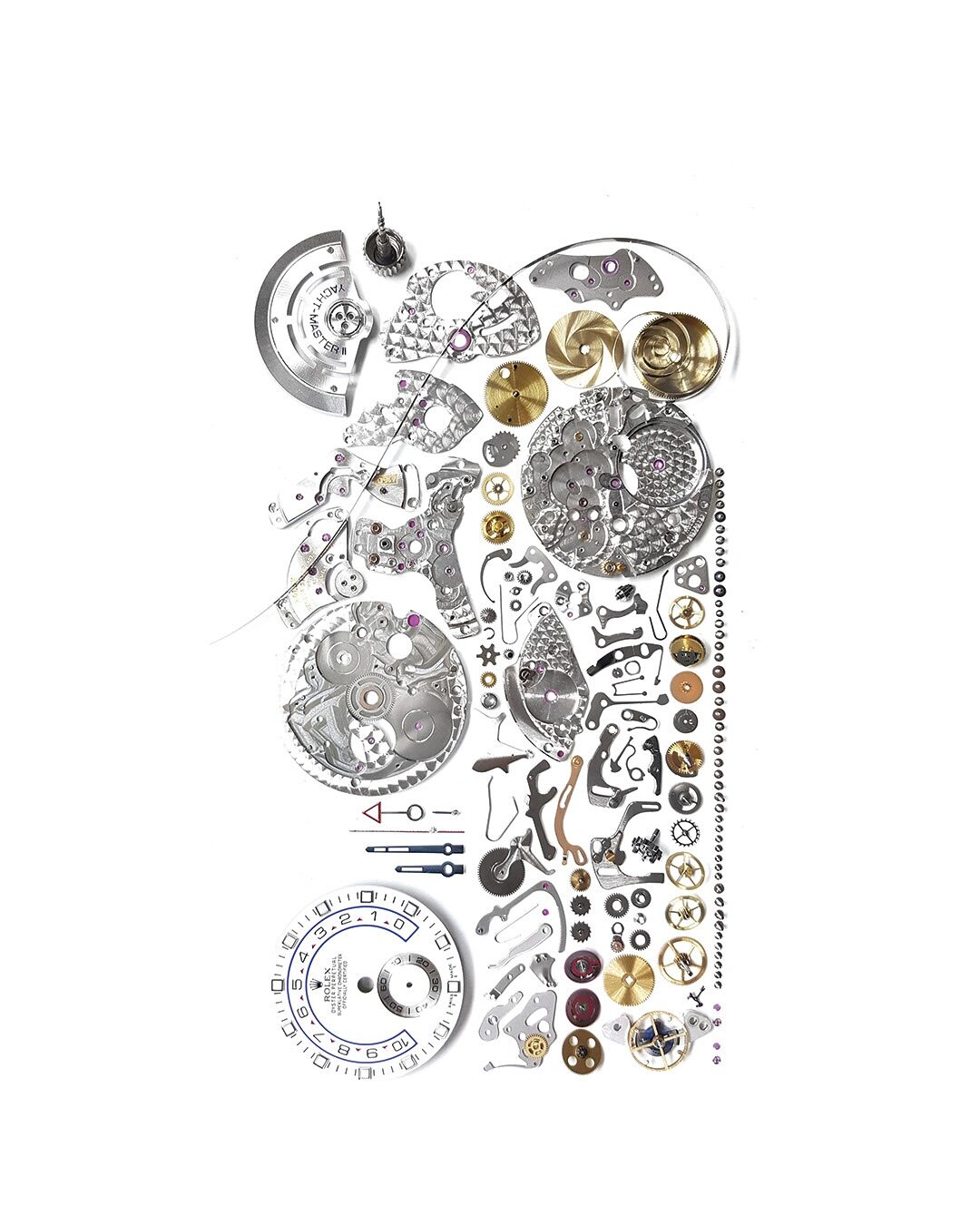
6 - Watches: Artisanal watches are a continuation of the cultural and artistic significance of time, with people going to great lengths to create, collect, and appreciate the modern embodiment of time.
7 - Abraj Al Bait (Clock tower in Mecca): Bonds time and religion, as its clock represents the significance of time at the heart of a religious space.